In My Occupational Therapist Era Svg Review
As a designer who’s worked with countless SVG files for handmade products, I always approach new designs with a critical eye. When I first saw the "In My Occupational Therapist Era Svg", it struck me as a design that balances personality and professionalism in a way that could work well across several real-world embroidery applications. Let me walk you through my evaluation from an experienced perspective.
First Impressions: A Nostalgic Touch with Purpose
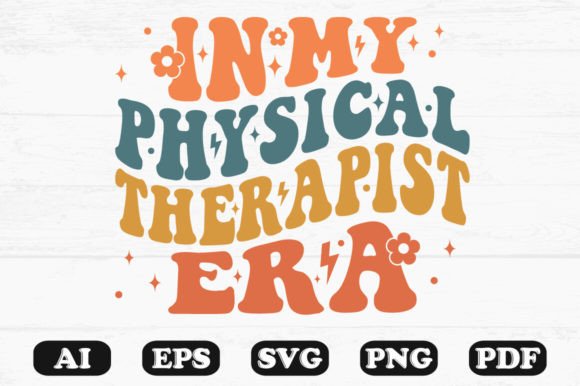
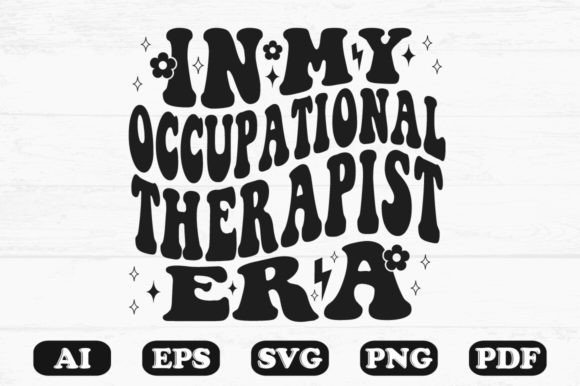
The Retro Wavy Design of this SVG brings back the charm of vintage typography, but it’s not just about looking old-school—it has a clear theme and purpose. The phrase “Occupational Therapist” is central, and the wavy layout gives it a rhythmic flow that feels both artistic and intentional. It creates a mood that's warm, reflective, and slightly whimsical, which makes it ideal for projects where storytelling or sentiment matters.
I can see this working particularly well on items like a custom sweatshirt for a therapy clinic team or a personalized embroidered tote bag for a gift. The design isn’t too busy, but it still has enough character to stand out. As a text-based machine embroidery design, it’s versatile, but its success will depend heavily on how it’s applied and what kind of product it ends up on.
Layout and Detail Level
The typography SVG is clean, with each letter having a distinct yet cohesive shape. The retro feel is achieved through subtle curves and a soft gradient between letters. While there are no overly intricate details, the waves do add a nice visual texture without overwhelming the message. This is a good sign for those planning to use it on textile surfaces—less detail means better adaptability and fewer stitch issues.
Real-Life Use Cases: Where It Shines
When considering how the In My Occupational Therapist Era Svg would perform in actual embroidery projects, I immediately thought of a few strong candidates:
- Custom Apparel: Especially for sweatshirts or t-shirts aimed at healthcare workers or OT students. The nostalgic vibe adds a personal touch that can resonate deeply.
- Boutique Merchandise: If you're running a small shop focused on handmade products, this design could be used on aprons or pillow covers to give your line a unique, professional edge.
- Holiday Gifts: A retro quote SVG stitched onto a kitchen towel or nursery decor item offers a thoughtful and stylish option for clients who want something more than generic holiday cheer.
- Etsy Listings: For digital sellers, this could be a great addition to a bundle of digital embroidery files. It fits the aesthetic of curated design assets that appeal to creative buyers.
What I appreciate most is that it feels like a design someone might actually say out loud—like a badge of honor or a throwback to their career path. That emotional connection is valuable when creating personalized gifts or small shop products.
Where to Use It Carefully
Despite its strengths, this design isn't one-size-fits-all. Here are some scenarios where extra attention is needed:
- Small Hoop Sizes: The wave pattern and text length mean that fitting this into smaller hoops may require trimming or repositioning. Always check the recommended hoop size before starting.
- Textured Fabrics: If you’re using it on a canvas-like fabric (e.g., for embroidered patches), the stitches might not lay as smoothly due to the fabric's surface. Consider adjusting stitch density or using a fill stitch for smoother results.
- Thin or Stretchy Fabric: The design doesn’t have a lot of dense stitching, which is good, but thin materials can cause the running stitch lines to look less defined. A light stabilizer could help here.
- Dark Backgrounds: Since thread color contrast is crucial, especially with white-on-black looks, I’d recommend testing different thread colors before committing to a final piece.
- Curved Surfaces : Imagine putting this on a cap or hat. The wavy nature might clash with the curved surface unless you adjust the design accordingly. Printable mockups can help visualize how it’ll wrap around.
Also, keep in mind that while the design looks great on flat surfaces like tote bags or aprons, it might need tweaking for layered garments or products that get frequent washing. Over time, the stitch tension and fabric wear can affect clarity.
Visual Appeal vs. Stitch Clarity
One of the key things I look for in an embroidery file is whether it maintains its visual impact after being stitched. In this case, the retro wavy SVG holds up well in preview form, but in practice, the spacing between the letters and the waves could become a point of concern if not properly stabilized.
For instance, on a baby onesie or a delicate holiday embroidery project, the waves might not stay sharp if the machine struggles with directional changes. Testing on scrap fabric is essential here. Try it out with your usual thread colors and stabilizers to see how it behaves under real conditions.
Design Notes for Embroidery Projects
Here are a few practical tips I'd suggest when working with this SVG in any embroidery project:
- Test First: Before using this on a client order or selling it as part of your craft business, stitch it onto a scrap of your intended fabric. This helps catch issues early.
- Thread Color Contrast: Don’t assume the default colors will suit every background. Play with options—especially if you're aiming for a high-contrast look on darker materials.
- Stabilizer Check: For stretchy or unstable fabrics, using a tear-away or cut-away stabilizer can make all the difference in maintaining the integrity of the design.
- Stitch Density: Adjust the stitch density if you notice gaps or puckering during your test run. The waves might benefit from a slightly tighter stitch in certain areas.
- Mockup Prep: Use a printable mockup to show potential customers how the finished product will look. This builds customer trust and sets realistic expectations.
Commercial and Branding Considerations
If you're an Etsy seller or a small shop owner, consider how this design aligns with your brand. The retro vibe works best for businesses with a classic or artisanal feel. For modern clinics or corporate gifts, it might come off as too casual.
That said, it could also be a hit in niche markets—think boutique-style apparel decorators or handmade shop owners targeting professionals in healthcare. Just ensure the SVG file comes with proper licensing if you plan to sell finished goods or digital assets. Licensing terms aren’t included in the description, so double-check before listing it as a commercial product.
Final Thoughts: A Thoughtful Addition to Your Design Toolkit
The In My Occupational Therapist Era Svg isn’t just another text SVG. It tells a story and carries a sense of pride—qualities that make it memorable. However, its effectiveness depends on thoughtful application and material choice.
From a craft perspective, it’s a solid graphic that can elevate a simple T-shirt design into something meaningful. But remember, even the best embroidery graphics can fall flat if they don’t match the right product or audience. Think about the product value and giftability before choosing where to place it.
This design has the potential to add a touch of nostalgia and individuality to handmade products, especially in the realm of personalized gifts or small business merchandise. Whether you're making a custom cap or preparing a commercial embroidery batch, take the time to understand how it interacts with your tools and materials.
Use it wisely, and it can become a standout design asset in your portfolio. Avoid rushing into production without testing—and always confirm licensing before selling anything.
A Designer’s Takeaway
Overall, the In My Occupational Therapist Era Svg is a great example of how a well-thought-out typography SVG can blend function and style. It's not perfect for every project, but when used correctly, it adds a layer of charm and meaning that many buyers will appreciate.
For embroidery designers and creative entrepreneurs, this is a reminder that even the simplest SVG Bundle can offer depth—if you take the time to explore its possibilities and limitations. So go ahead, stitch it once, tweak it twice, and let your finished product reflect the care you put into the process.