In My Activities Director Era Retro Wavy Review
As an experienced embroidery designer and product reviewer, I always approach a new design with curiosity and a critical eye. When I first opened the In My Activities Director Era Retro Wavy SVG file, I was immediately drawn to its nostalgic charm and vintage typography style. This design exudes a laid-back, retro vibe that feels right at home in today’s craft and apparel market. Let me walk you through my real-world evaluation of this design — from how it looks on paper to how it performs on fabric.
First Impressions: A Timeless Visual Language
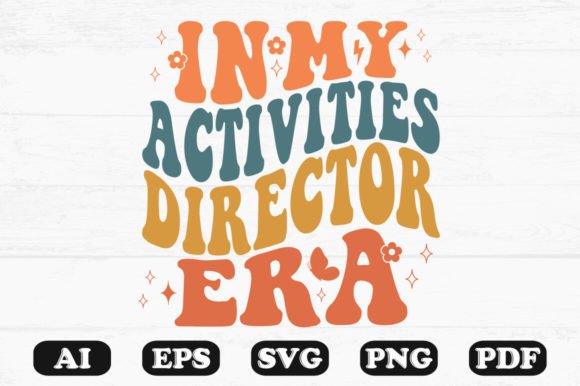
The Retro Wavy theme is strong here. The text is stylized with soft wavy curves and subtle drop shadows, giving it that classic vinyl record or old-school poster aesthetic. It’s not overly ornate but has enough character to stand out without being overwhelming. The layout is clean and balanced, which makes it versatile for a range of projects. Whether you’re creating a personalized gift or branding a small shop item, this design brings a sense of warmth and authenticity that modern customers often crave.
I especially appreciate how the font choices and spacing feel natural. There’s no jarring clash between letters, and the overall composition doesn’t scream for attention — it invites it. For anyone in the crafts space, particularly those working with handmade products, this kind of subtlety can make all the difference in customer perception and brand appeal.
A Mood That Matches Many Projects
This design naturally fits into custom apparel like sweatshirts and t-shirts, where a bold yet elegant statement is needed. It also works well as an embroidered patch or tote bag design. The wavy nature of the text gives it motion, which is great for items like pillow covers or aprons where a flat, static look might not do justice to the product’s purpose.
What really stands out is the emotional tone. “In My Activities Director Era” suggests a personal connection — perhaps to a hobby, a job role, or even a lifestyle. This opens up opportunities for creative entrepreneurs and Etsy sellers to offer meaningful, customizable products that resonate with buyers looking for something unique and expressive.
Real-World Application: How It Stands Up to Stitching
When considering how the Retro Wavy design would perform in actual embroidery work, there are several factors to keep in mind. First, the stitch types used are mostly satin stitch and some fill stitch elements for the background effects. These are common in machine embroidery designs and generally reliable if executed properly.
For a project like a custom sweatshirt, I’d expect the design to hold up well on medium-weight cotton blends. The visual clarity of the text remains intact, and the wave patterns add just enough detail to make the finished product pop without overcomplicating the embroidery process. However, when using this design for baby clothes or items that need frequent washing, stitch density becomes crucial. Dense areas may cause puckering or fraying over time if not stabilized correctly.
One practical use case I considered was applying this design to a set of embroidered tea towels for a boutique line. The vintage vibe paired beautifully with kitchen décor, and the text felt both functional and decorative. But I’d caution against using it on stretchy fabrics like spandex blends unless you’re prepared to adjust stitch settings or reinforce the design area with stabilizer.
Where It Works Best and Where to Be Cautious
- Best Suited For:
- Tote bags and canvas backpacks
- Sweatshirts and hoodies
- Embroidered aprons and table runners
- Pillow covers and nursery wall art
- Holiday gifts and personalized keepsakes
- Use With Caution On:
- Small hoop sizes (check the dimensions before use)
- Dark or textured fabrics — thread contrast may be lost
- Stretchy materials like rayon or lycra
- Items requiring high durability and frequent laundering
- Curved surfaces such as caps or hats — alignment could be tricky
Design Performance and Practicality
From a technical standpoint, the In My Activities Director Era Retro Wavy design is fairly straightforward to edit in most embroidery software. You can resize, reposition, or change the color palette depending on your needs. But as with any machine embroidery design, I recommend testing it on scrap fabric first. Especially if you're planning to sell this as part of your craft business or Etsy listing, ensuring the final stitched look meets expectations is key to maintaining customer trust.
Stitch density is another consideration. If you're embroidering onto a thin fabric, you might want to reduce the density slightly to prevent the fabric from showing through the back. Conversely, for sturdier materials like denim or canvas, you can push the design a bit more without worrying about distortion.
Also, note that while the design includes visual effects like shadows and outlines, these should be tested on different fabric backgrounds. Some effects may not translate well to darker colors or non-white threads. Always preview the design in black and white mockups to assess how it will look with alternative thread palettes.
Thread Colors and Fabric Texture
The default thread colors included in the design are warm and earthy, leaning toward vintage tones. While they work well on light-colored garments, you’ll need to evaluate whether they maintain their character on mid-tones or darker shades. For instance, using the same thread colors on a navy-blue tote bag might dull the visual impact. I suggest experimenting with brighter or contrasting thread colors for better visibility and visual appeal.
Fabric texture also plays a big role. If you're using it for a handmade product like a felted pillow cover or a leather accessory, the stitching might appear differently due to the material's surface. In these cases, running a test stitch on a sample piece is essential to ensure the design maintains its intended shape and flow.
Customer Reaction and Market Fit
Customers love designs that tell a story, and the phrase “In My Activities Director Era” does exactly that. Depending on your audience, it can evoke nostalgia, humor, or pride. As an embroidery project, it has the potential to become a recognizable design asset in your portfolio. The retro aesthetic is currently trending among handmade enthusiasts and boutique owners, so this could be a timely addition to your offerings.
For digital embroidery files, this design serves as a solid foundation for printable mockups or previews. Its clear lines and structured layout make it easy to showcase in online listings or social media promotions. The filename mentions “SVG Bundle,” which implies multiple file formats, though specifics aren’t listed. As a best practice, always confirm the included formats and check compatibility with your software or cutting machines before purchasing.
On the flip side, the design’s intricate details may not scale down well. If you're planning to use it on smaller items like embroidered patches or tiny labels, you may need to simplify the design or focus only on parts of it. Otherwise, the fine lines and delicate curves could get lost or distorted after resizing.
Professional Presentation and Brand Consistency
As someone who sells custom apparel and personalized gifts, I value consistency in design quality. The Retro Wavy format of this design allows for easy integration into existing themes or collections. It pairs well with other vintage-style graphics and can serve as a signature element for a small shop product line.
However, the design isn’t suited for every project. If you're aiming for a sleek, minimalist look, this one might be too much. But if you're going for a cozy, artisanal feel — especially in holiday embroidery or nursery decor — it hits all the right notes.
Designer Tips and Recommendations
- Test on Scrap Fabric: Always run a test stitch before moving to a final product. Especially for commercial embroidery or digital product sales, this step ensures consistent results.
- Check Thread Contrast: Use a white or light fabric background to highlight the design’s details. Darker materials may require adjustments in thread color or stitch type.
- Review Stitch Density: Adjust the density based on fabric weight and thickness. Too dense on thin material can lead to puckering; too sparse may result in gaps or unevenness.
- Confirm Hoop Size: Though not specified in the product description, hoop size can affect the outcome. Make sure the design fits comfortably within your chosen hoop dimensions.
- Inspect Small Details: The wave patterns and shadow effects may not render perfectly on all machines. Zoom in during editing to catch any inconsistencies before stitching.
- Use Proper Stabilizer: To maintain shape and prevent distortion, especially on stretchy or slippery fabrics, opt for cutaway or tear-away stabilizers as needed.
- Verify Licensing: If you plan to resell the finished product or distribute the embroidery file itself, confirm the licensing terms. The product description doesn’t specify usage rights, so double-check before proceeding.
Final Thoughts for Creative Makers
The In My Activities Director Era Retro Wavy design is a great fit for those who appreciate vintage aesthetics and want to incorporate them into their Graphics and Crafts projects. It adds personality and a touch of whimsy, making it ideal for handmade shop owners, creative entrepreneurs, and apparel decorators looking to elevate their product lineup.
That said, don’t assume this design will work flawlessly across all materials and applications. Take the time to adapt it for your specific needs, whether that means adjusting thread colors, tweaking stitch types, or focusing on the core message rather than the full visual package.
Ultimately, this is a design that benefits from thoughtful implementation. When done right, it can boost product value, increase buyer engagement, and help establish a cohesive brand identity. Just remember to consider fabric choice, hoop size, and long-term durability — especially if you're selling the finished product regularly.
If you're ready to give it a try, I recommend starting with a tote bag or a sweatshirt to see how it performs in your setup. And if you're using it in a commercial embroidery context, always verify the license and keep an eye on stitch coverage and alignment.