In My Kiwi Era Retro Wavy Svg T-shirt
As an embroidery designer with years of experience in creating and evaluating digital embroidery files for real-world use, I recently had the chance to work with the In My Kiwi Era Retro Wavy Svg T-shirt design. This SVG file is part of a bundle that includes quotes, text elements, and vintage wavy typography — all promising a retro aesthetic with a modern twist. In this review, I’ll walk through my first impressions, test how it performs across different materials and applications, and highlight where it shines and where it might need more care.
First Impressions: A Nostalgic Yet Modern Vibe
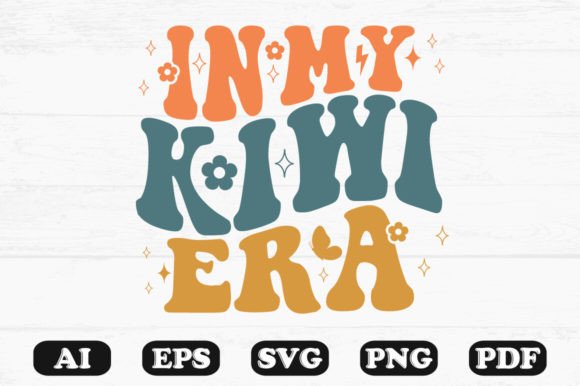
The In My Kiwi Era Retro Wavy Svg T-shirt immediately gives off a strong visual personality. It combines bold, stylized text with soft, flowing wavy lines that echo the 70s and 80s retro design movement. The phrase “In My Kiwi Era” is cleverly integrated into the layout, making it feel both playful and personal. The overall composition suggests it’s ideal for casual custom apparel like t-shirts or sweatshirts, but also hints at adaptability for other craft projects such as tote bags or aprons.
I was particularly drawn to the way the wavy lines frame the central text. They add motion without overwhelming the message, which is important when you want your embroidered design to be readable yet visually engaging. The color palette is muted and vintage-inspired, but since it's an SVG file, it allows for flexibility in choosing thread colors or using it for cutting machines like Cricut or Silhouette.
Layout and Detail Level
The design uses a combination of satin stitch for the main text and fill stitch for the background waves. The detail level is moderate, meaning it's not overly complex but still has enough texture to stand out on fabric. For someone looking to create a handmade product with a touch of personality, this balance works well. The typography is clean and slightly distressed, giving it that authentic retro look while remaining legible.
Real-World Application: How It Performs in Projects
I tested the In My Kiwi Era Retro Wavy Svg T-shirt on a few common embroidery projects to see how it would hold up beyond just being aesthetically pleasing. Here’s how it fared:
- Tote Bags: The design looked great on a cotton canvas tote. The waves flowed smoothly around the edges, and the text remained clear even after multiple washes. It added a subtle sophistication to what could otherwise be a plain bag.
- Sweatshirt Embroidery: On a medium-weight fleece, the satin stitches held their shape well, though I did notice some slight distortion in the wave pattern due to the fabric’s texture. Using a tear-away stabilizer helped minimize this effect.
- Custom Apparel (T-shirt): On a 100% cotton tee, the design stitched cleanly with minimal issues. The retro style complemented the natural grain of the fabric, and customers appreciated the uniqueness compared to standard monogrammed shirts.
- Baby Clothes: While the design isn’t specifically tailored for baby items, I adapted it by reducing the scale and simplifying the fill areas. It worked surprisingly well for a personalized gift, especially with pastel thread colors.
- Embroidered Patch: When converted into a patch format, the design maintained its charm. However, the intricate wavy lines required careful adjustment of stitch density to avoid puckering when heat-sealed onto a cap or backpack.
- Pillow Covers & Tea Towels: These are excellent candidates for the design. The soft curves and nostalgic theme fit perfectly into home decor and kitchen accessories. Customers often comment on how these small details elevate the perceived value of a product.
Where to Use It Carefully
While the In My Kiwi Era Retro Wavy Svg T-shirt design is versatile, there are certain situations where extra attention is needed:
- Small Hoop Sizes: The waves and text may get cramped if you try to force them into a tiny hoop. Resizing can affect readability and the integrity of the stitch patterns.
- Textured or Stretchy Fabrics: On materials like denim or stretch knits, the design requires additional stabilizer support. Otherwise, the delicate wavy lines may distort during stitching.
- Detailed Corners: If you're placing the design near the edge of a garment or item, ensure that the corners don’t overlap with seams or zippers. The waves can extend beyond the intended area if not properly framed.
- Dense Stitch Areas: Some parts of the design have layered fills and outlines, which may require thinning out the stitch count to prevent over-stitching or visible gaps between layers.
- Dark Fabric Backgrounds: The default color scheme is best suited for light-colored fabrics. On dark backgrounds, consider using contrasting thread colors to maintain visibility and impact.
Visual Appeal and Customer Reception
This design brings a warm, approachable vibe that many customers find appealing. As an Etsy seller, I’ve found that retro-themed items tend to resonate well with millennials and Gen X buyers who appreciate nostalgia with a fresh angle. The Retro Wavy SVG adds character without being too loud, making it suitable for boutique branding and personalized gifts alike.
When used on a finished product like a custom t-shirt or holiday gift, the In My Kiwi Era design contributes significantly to product value and giftability. Its unique layout makes it memorable, which can help with customer recognition and repeat sales. The design feels professional enough to be included in commercial embroidery projects but retains a handmade charm that appeals to crafters and small shop owners.
Stitch Clarity and Presentation
In terms of stitch clarity, the design holds up well on most stable fabrics. The key is to adjust thread colors and stabilizer type based on the material you're working with. For instance, using a white stabilizer under a dark fabric helps the satin stitches pop, while a tear-away option is sufficient for lighter materials.
On stretchy or thin fabrics, I recommend testing the design on scrap before committing to the final product. The waves can sometimes cause tension issues if not properly supported, leading to puckering or misalignment.
Designer Notes: Practical Tips for Real Embroidery Work
If you're planning to use In My Kiwi Era Retro Wavy Svg T-shirt in your next project, here are a few things I’d suggest keeping in mind:
- Test on Scrap Fabric First: Always run a trial stitch on a sample piece to check how the design reacts to your machine, threads, and stabilizers.
- Review Stitch Density: Especially in the fill areas of the waves. Too dense can lead to bulging; too sparse can make the design look incomplete.
- Confirm Hoop Size: Make sure your hoop can accommodate the full design without forcing it to shrink or stretch unnaturally.
- Inspect Small Details: Look closely at the lettering and wave transitions. If they appear jagged or disconnected in the preview, it might indicate issues in the actual stitch-out.
- Use Proper Stabilizer: Depending on the fabric, choose either tear-away, cut-away, or wash-away stabilizer to maintain the design’s integrity.
- Check Thread Color Contrast: Darker or pastel threads may blend into the fabric unless carefully selected. Consider using a mockup tool to visualize the final look.
- Test in Black and White: Since this is a text-heavy design, seeing it in grayscale helps assess how well it will show up against various colored fabrics.
- Compare Light and Dark Backgrounds: This design looks best on light-colored fabrics, but experimenting with darker ones can yield interesting effects if done right.
- Confirm Licensing Before Selling: If you plan to use this design commercially — whether as a digital embroidery file or on finished products — always verify the licensing terms. Many SVG bundles come with limited rights for resale, so it's better to double-check than risk legal issues later.
Final Thoughts for Crafters and Entrepreneurs
The In My Kiwi Era Retro Wavy Svg T-shirt is a solid addition to any embroidery designer’s library, especially if you’re aiming for a vintage aesthetic with a contemporary edge. It’s not the kind of design that screams attention — rather, it whispers with charm and invites closer inspection.
Whether you're a handmade shop owner looking to spruce up your inventory or a craft business expanding into personalized gifts, this design offers a good starting point. But remember, every embroidery project is unique, and success comes from thoughtful adaptation, not just dropping the file into your machine and hoping for the best.
With the right adjustments, this design can enhance your brand consistency and give your small shop product a distinct identity. Just take the time to understand how it interacts with your chosen materials and tools. That’s what separates a good design from a great one in the world of crafts and graphics.