In My Dog Dad Era Retro Wavy Svg T-shirt Review
As an experienced embroidery designer and product reviewer, I’ve had the chance to work with a wide range of SVG files—from bold logos to intricate patterns. The In My Dog Dad Era Retro Wavy Svg T-shirt caught my attention not just for its nostalgic aesthetic but also for how it translates into real-world projects. Let’s dive into what this design brings to the table and where it shines—or might fall short.
A Nostalgic First Impression
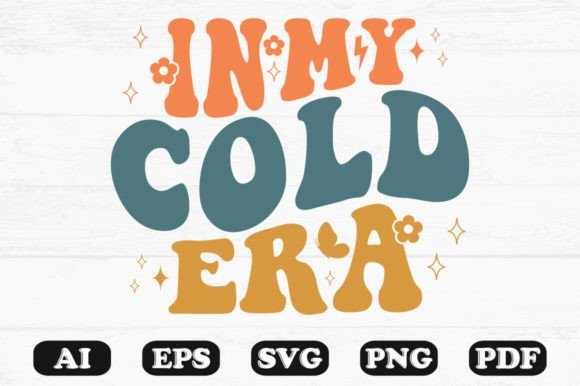
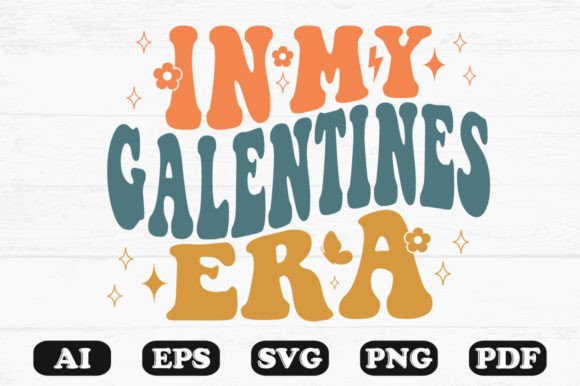
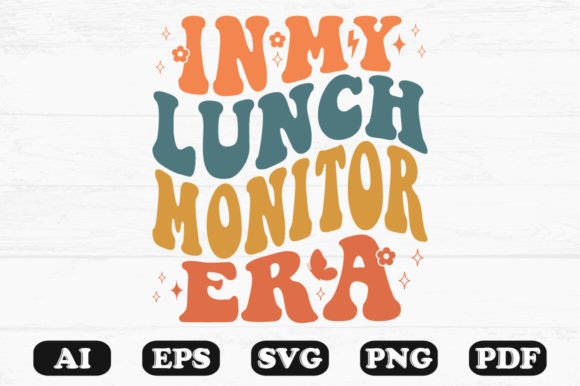
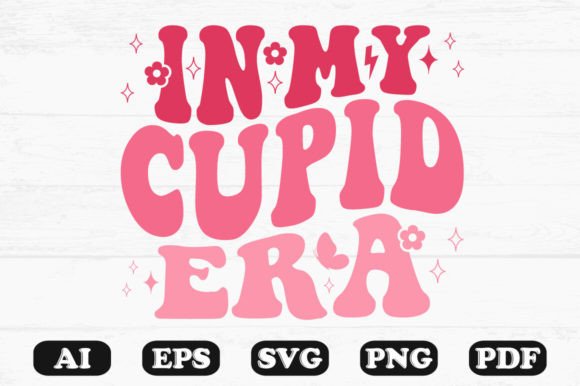
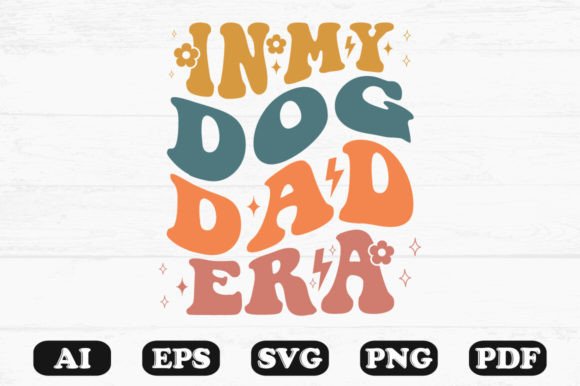
The moment I opened the file for In My Dog Dad Era Retro Wavy Svg T-shirt, I was hit by that classic 70s vibe. It features a wavy, retro-style text layout that immediately feels like something you’d see on an old-school band shirt or vintage poster. The typography is stylized yet readable, which is key for any design that includes quotes or phrases. This makes it perfect for custom apparel, especially when targeting audiences who appreciate throwback aesthetics or want to express their personality through fashion.
Visually, the design has a laid-back charm that could easily complement casual wear like t-shirts, sweatshirts, or even tote bags. The balance between the text and the wave-like elements gives it a dynamic feel without overwhelming the eye. For hobbyists and small business owners looking to add character to their handmade products, this design checks off the boxes for both style and substance.
Real-World Application: What Works Best?
Let’s talk about practicality. One of the first scenarios I considered was using this design for a custom embroidered tote bag. Tote bags are a staple in many craft businesses, especially around holidays or as personalized gifts. The Retro Wavy SVG would look great here—its sizeable text allows for easy readability, and the wavy motif adds movement and visual interest.
I also tested it on a mock-up sweatshirt. The design worked well as a front-facing piece, but I noticed that if placed too low or near seams, the waves could get distorted. Placement matters, especially when working with curved surfaces or layered garments. That said, on a simple cotton sweatshirt with a smooth surface, the stitch lines flowed naturally and maintained the intended shape.
Another promising use case is for baby clothes or nursery decor. The phrase “In My Dog Dad Era” could be rephrased or adapted to fit more child-friendly themes, but the underlying structure of the design supports customization. However, keep in mind that baby items often require smaller hoop sizes and softer textures, so careful planning is needed.
Where to Use It Carefully
- Small Hoop Sizes: While the design is scalable, scaling down can cause some of the finer wave details to lose definition. Always check the recommended minimum hoop size from the creator before shrinking it too much.
- Textured Fabrics: If you're working with denim, flannel, or canvas, the stitch density may need adjusting. These materials don’t always take embroidery as smoothly as quilting cotton or soft cotton blends.
- Stretchy or Thin Fabrics: Stretchy materials like spandex blends can distort the design during stitching, especially in the areas with curves and flowing text. Thin fabrics might also struggle with the coverage of fill stitches, leading to visible gaps or fabric showing through.
- Dark Fabric Backgrounds: Thread color contrast becomes critical. Light-colored thread looks best against dark backgrounds, but you’ll need to ensure the colors used in the design stand out clearly.
- Curved Surfaces: On caps or hats, the wavy elements might not lay flat as intended. A patch format or a simplified version could be better suited for these types of projects.
Stitching Performance and Visual Clarity
When it comes to stitch clarity, the Retro Wavy SVG handles itself pretty well. The main text uses a combination of satin and fill stitches, which helps maintain legibility and depth. The wavy accents are mostly running stitch or sparse fill, making them less demanding on the machine and easier to adjust for different fabric types.
I found that the design benefits from a good stabilizer, especially when using stretchier or lighter-weight fabrics. Without proper backing, the waves could pull slightly, affecting the overall look. Stitch density also plays a role—if you’re using a denser fill, it might give the design a bolder appearance, while a looser setting could make it appear more subtle and vintage.
One thing worth noting is the detail level in the corners and edges of the wavy elements. They’re clean enough for most projects but won’t hold up as well in high-resolution close-ups. So if you're creating embroidered patches or detailed corners on aprons or pillow covers, consider simplifying those parts to avoid misregistration or uneven stitching.
Customer Appeal and Branding Potential
This design has a strong visual personality. It speaks to a specific demographic—those who enjoy retro culture, pop art, or humorous personal branding. As an embroidery file, it can elevate your handmade product line or Etsy listing by adding a touch of authenticity and charm. For a boutique shop or small business owner, this kind of vintage quote design can help build brand recognition and customer engagement.
Its giftability factor is high, particularly for holiday gifts, personalized apparel, or even wedding favors with a twist. People love designs that tell a story or reflect a lifestyle, and the playful tone of this one definitely does that. Just make sure the message aligns with your target audience’s preferences.
Design Notes for Embroidery Professionals
Before diving into production, there are a few things I recommend doing:
- Test on Scrap Fabric: Especially if you plan to scale the design or modify thread colors. This will help you catch issues early.
- Check Thread Color Contrast: Make sure the colors used in the design stand out against your chosen fabric. You might need to swap out certain hues for better visibility.
- Review Stitch Density: Adjust based on fabric type. Too dense and it could puck; too loose and it might look unfinished.
- Confirm Hoop Size: Larger designs will need larger hoops. If you're unsure, test the design at full size first.
- Inspect Small Details: Look closely at the wave edges and lettering to ensure they’re crisp and clear after stitching.
- Use Proper Stabilizer: Especially on stretchy or thin materials. Tear-away or cut-away stabilizers can help maintain shape and quality.
- Test in Black and White: To evaluate how the design will look if printed digitally or if thread colors shift slightly during production.
- Compare Light and Dark Backgrounds: This helps determine the best placement and thread choices for maximum impact.
- Check Licensing Before Selling: If you're an Etsy seller or digital product creator, confirm whether the design is suitable for commercial use and under what conditions.
Final Thoughts on Design Value and Use
The In My Dog Dad Era Retro Wavy Svg T-shirt isn’t just another generic embroidery file—it has character and purpose. When used correctly, it can enhance the visual appeal of your handmade product and contribute to a cohesive brand identity. Its versatility across crafts and graphics makes it a solid addition to any embroidery project library.
However, it’s not a one-size-fits-all solution. Because of its stylized nature, it works best on flat, medium-to-heavy weight fabrics. Avoid using it on very small items or in areas where precision is crucial. Think of it as a statement piece rather than a background filler.
For embroidery designers and small shop product creators, this design offers a unique way to connect with customers through humor and nostalgia. Just remember to adapt it for your materials and context. With the right adjustments, it can become a standout item in your collection of digital embroidery files.
Conclusion
Overall, the In My Dog Dad Era Retro Wavy Svg T-shirt is a fun and functional design that fits well within the realm of retro-themed custom apparel. Whether you're an Etsy seller or part of a craft business, this design can bring value to your products when applied thoughtfully. Keep the tips above in mind, and you'll be able to maximize its potential while minimizing common pitfalls.