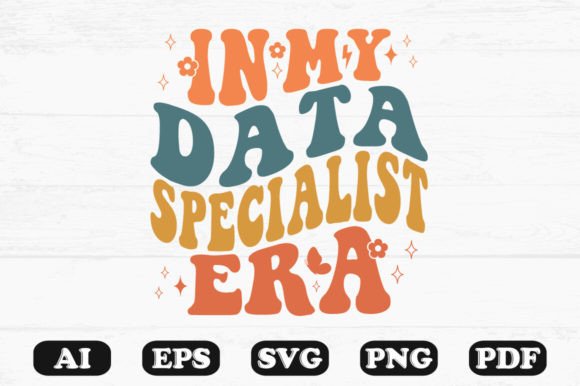
In My Data Specialist Era Retro Wavy SVG Review
As an experienced embroidery designer and product reviewer, I’ve seen my fair share of digital designs. Some are just okay for hobby projects, while others truly elevate the quality of a finished product. The In My Data Specialist Era Retro Wavy SVG falls somewhere in between—offering a unique vintage aesthetic with enough character to stand out on both casual and commercial items. In this article, I’ll walk you through how this design might perform in real-world embroidery applications, where it shines, and where it could trip up even seasoned crafters.
First Impressions: A Nostalgic Digital Statement
The moment I opened the In My Data Specialist Era Retro Wavy SVG, I was struck by its retro vibe. It features a bold typographic layout with wavy, stylized lettering that gives off a mid-century feel. The background includes subtle wavy patterns that echo the theme without overwhelming the central text. This isn’t your run-of-the-mill SVG—it has personality and charm.
I immediately thought of how it would look stitched onto a soft cotton sweatshirt or a linen tote bag. The design’s scale and detail level suggest it works best on larger surfaces, where the wave motion and layered text can breathe. Its vintage-inspired palette also makes it versatile for color customization, which is always a plus for designers working with client preferences or seasonal collections.
Visual Personality and Project Fit
This design carries a distinct visual identity. It’s playful yet professional, making it ideal for handmade products like personalized gifts, boutique branding, or custom apparel for tech-savvy customers. The “In My Data Specialist Era” quote adds a touch of humor and nostalgia that appeals especially well to older audiences or those with a love for classic typography.
It naturally fits into categories like custom apparel, tote bag design, or sweatshirt embroidery. If you’re running a small shop selling personalized baby clothes or holiday gifts, this could be a strong addition to your catalog. For Etsy sellers, it offers something fresh but familiar—just the kind of balance that can help boost buyer engagement.
Real-Life Embroidery Applications
Let’s imagine using this design on a custom embroidered tote bag for a local data science conference. The first thing I’d check is how the design translates from screen to fabric. The waves need to maintain their fluidity when stitched, and the letters should remain legible at a glance. With proper thread selection and stabilizer, the Retro Wavy SVG could create a memorable brand item with a handmade twist.
- Custom Apparel: Works well on t-shirts and sweatshirts, especially if the garment allows for some negative space around the design.
- Baby Items: The vintage style could suit onesies or bibs, but the small details may get lost unless scaled appropriately.
- Aprons & Pillow Covers: These items benefit from the design’s boldness and retro appeal. Consider using contrasting thread colors for extra pop.
- Holiday Gifts: Could be a fun twist on Christmas cards or gift tags. Just make sure the stitch density doesn’t cause bulkiness on delicate materials.
- Commercial Embroidery: The design’s structure and clarity suggest it could work for small business merchandise, but always confirm licensing before mass production.
If I were planning a craft fair product line, I’d consider using this as part of a set of embroidered patches or tea towels. The SVG wavy format allows for easy resizing, so long as the proportions remain intact. It’s also a great candidate for printable mockups, giving potential buyers a clear idea of how it will appear on different items.
Design Details That Matter
One thing I appreciate about this design is how it layers elements without being overly complex. The main text uses a satin stitch for definition, while the wavy background employs a lighter fill stitch to avoid overcrowding. However, the intricate curves and corners require attention during stitching to prevent distortion.
For someone looking to add a decorative accent, such as a border along a pillow cover or nursery decor, the wavy lines can be used independently. But keep in mind that the full design needs enough room to display all its components clearly. When scaling down for smaller items like caps or patches, the text might lose readability unless simplified or adjusted.
Where Caution Is Needed
While the In My Data Specialist Era Retro Wavy SVG has a lot going for it, there are situations where it might not perform as expected. Here are a few things to watch for:
- Small Hoop Sizes: The design includes detailed wave patterns that may become too compressed if forced into a tiny hoop. Always preview the design in your software at the intended size.
- Textured or Stretchy Fabrics: On flannel, fleece, or knits, the stitch density might cause puckering. Use a light-weight cutaway stabilizer and adjust tension accordingly.
- Thin or Dark Fabric: The subtlety of the wave background could vanish against black or white garments. Test on scrap fabric to see if the contrast holds up.
- Curved Surfaces: When applying to hats or curved areas, the design must be properly segmented to follow the contours without stretching or distorting.
- Frequent Washes: For items like kitchen towels or baby clothes, ensure the design uses durable stitches and high-quality threads to withstand repeated use.
Also, if you're considering using the Typography SVG in combination with other elements, like applique design or running stitch borders, plan ahead for how those interactions might affect the overall look and stitch performance.
Practical Designer Tips Before Stitching
Before you commit to stitching the In My Data Specialist Era Retro Wavy SVG on your next project, here are a few steps I recommend taking:
- Test on Scrap Fabric: Especially if you're planning to sell the finished product or use it for personal gifts.
- Check Thread Color Contrast: Make sure the text stands out clearly against the chosen fabric. Sometimes a deep navy or forest green looks more vintage than black.
- Review Stitch Density: Adjust fill stitches if necessary to prevent stiffness or damage to delicate fabrics.
- Confirm Hoop Size: The design likely needs at least a 6x10 inch hoop to render correctly. Smaller hoops risk losing key visual elements.
- Inspect Small Details: Look at the corners and inner curves of the wavy lines. Will they hold up under tension?
- Use Proper Stabilizer: Especially for stretchy or thin materials. A tear-away or lightweight cutaway might be better depending on the fabric.
- Test in Black and White: To see how it might appear on darker backgrounds or if printed as a mockup for online listings.
- Compare Light and Dark Fabrics: This helps determine if the design needs additional outlines or shading to enhance visibility.
- Confirm Licensing: If you're an embroidery file seller or planning to offer digital product previews, make sure the design is licensed for commercial use.
Impact on Product Value and Customer Appeal
From a practical standpoint, this design can significantly influence the product value of your handmade goods. It brings a sense of professionalism and thoughtfulness, especially when paired with high-quality thread and precise execution. Customers tend to trust and value items that look cohesive and polished—this design helps achieve that.
When used effectively, it enhances brand consistency for small shops or Etsy sellers who focus on retro themes. The vintage quote aspect adds a layer of storytelling, which can increase giftability and emotional connection. People don’t just buy embroidered products—they buy experiences and identities.
Final Thoughts for Makers and Designers
The In My Data Specialist Era Retro Wavy SVG is a design that balances nostalgia with modern usability. It’s not perfect for every project, but when matched with the right item and technique, it can be a standout in your lineup of craft business offerings. Whether you're creating holiday embroidery for your clients or designing small shop product bundles, this design deserves a place in your arsenal—if handled with care.
Remember, no matter how appealing an embroidery project looks digitally, the true test is how it performs after stitching. Take the time to evaluate, adapt, and refine. That’s what separates a good design from a great one.