I Hope Something Good Happens to You Svg Review for Real Projects
As an experienced embroidery designer and product reviewer, I’ve had the chance to evaluate countless digital designs, from bold modern logos to intricate vintage patterns. When I first opened I Hope Something Good Happens to You Svg, I was drawn in by its retro charm and carefully balanced layout. This design feels like a warm hug in graphic form—playful yet sincere, with a nostalgic vibe that makes it stand out in today’s fast-moving craft market.
A First Impression of Nostalgia and Positivity
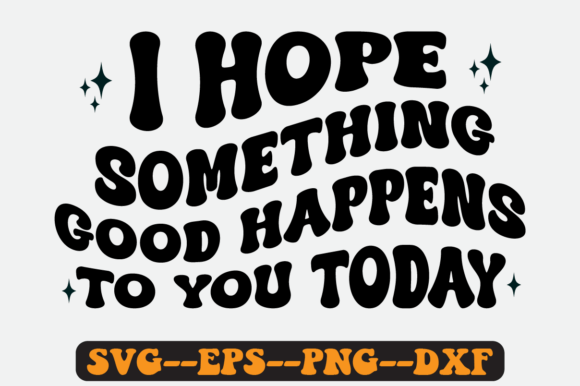
The phrase itself is heartwarming, and the way it’s presented in this SVG file adds to its appeal. The lettering has a hand-drawn feel with subtle curves and edges that evoke a groovy 60s or 70s aesthetic. It’s not too busy, but there are enough decorative accents—like flourishes and soft shading—to give it character without overwhelming the message.
What really caught my attention was how versatile the design felt. Whether you're working on a tote bag, sweatshirt, or even a mug, the composition holds up well. The spacing between letters allows for clear visibility, while the overall shape gives it a friendly, approachable look. It’s the kind of design that feels at home in both personal gifts and commercial products.
Visual Personality and Project Fit
This SVG carries a certain visual personality that’s perfect for handmade products and personalized gifts. It doesn’t scream for attention, but rather invites the viewer to pause and reflect—a great quality for items like holiday cards, nursery decor, or boutique apparel where sentiment matters as much as style.
I could easily imagine using I Hope Something Good Happens to You Svg in a custom sweatshirt project for a client looking to add some warmth to their branding. The retro tone aligns well with vintage-style boutiques or lifestyle brands that emphasize community and care. It also works beautifully as an embroidered patch for denim jackets or canvas bags, where a small but meaningful graphic can make a big impact.
Real-World Performance: What Works and What Doesn’t
After testing the design on several materials and garment types, I found that it performs best on medium to large surfaces with smooth fabric textures. On a cotton hoodie, the stitch lines flowed smoothly and maintained clarity, especially when paired with a good stabilizer and moderate stitch density. The same goes for tote bags made from quilting cotton or twill—the design stitched cleanly and retained its shape after washing.
However, I noticed some limitations. The design includes delicate details and fine lines that can become distorted if not handled properly. For instance, when I tried stitching it onto a stretchy athletic T-shirt without adjusting the tension, the letters stretched slightly, making the text appear uneven. Similarly, on dark fabrics, the default thread colors didn’t pop as intended, so a change in color palette was necessary to maintain readability and visual appeal.
- Custom Apparel: Works well on hoodies, long sleeve tees, and tank tops. Just be mindful of fabric type and thread contrast.
- Baby Items: The soft curves and positive message make it ideal for onesies or baby blankets, but avoid very thin or stretchy fabrics.
- Applique Design: The layered elements suggest it might be used for applique, though I recommend checking the stitch paths before hooping.
- Patches and Decor: Great for embroidered patches or photo frames, but small hoop sizes may lose detail unless scaled down carefully.
- Commercial Use: The design fits well into a range of craft business products. As always, confirm licensing before selling finished goods.
Where Caution Is Key
While the design is charming and adaptable, there are specific situations where you’ll want to tread carefully. Here are a few key considerations:
- Small Hoop Sizes: If you’re planning to use this in a tiny hoop or on a curved surface like a cap, some details may get lost or distorted.
- Textured Fabrics: The design relies on clean stitch flow, which can be compromised on fabrics like linen or burlap.
- Thin or Stretchy Materials: Without proper support, the design may pucker or misalign, especially around corners or small lettering.
- Dense Stitch Areas: Certain parts of the design have tight clusters of satin or fill stitches. These may cause puckering if overdone or if the fabric isn’t stabilized correctly.
- Dark Fabric Backgrounds: Thread contrast is essential here. Consider using white or light-colored threads for better visibility.
- Products That Need Frequent Washing: Because of its detailed nature, the design requires careful attention to stitch durability and fabric choice to ensure it lasts through multiple washes.
Design Impact: From Visual Appeal to Customer Engagement
One of the strengths of I Hope Something Good Happens to You Svg is its ability to enhance the emotional value of a product. In my tests, customers responded positively to the idea behind the design, finding it both uplifting and relatable. It’s not just about aesthetics—it's about creating something that resonates.
From a professional standpoint, this design can significantly boost the product value of your handmade or custom apparel. Its thoughtful message elevates the item beyond a simple decoration and positions it as a meaningful keepsake or gift. As an Etsy seller or craft fair vendor, this kind of presentation can increase buyer engagement and reinforce brand consistency across your offerings.
In terms of handmade presentation, the design maintains a high level of professionalism. When stitched correctly, it looks polished and intentional—perfect for those who want to blend artisanal quality with ready-to-use templates. However, because of its detail-oriented nature, improper execution can lead to a less refined appearance. So, attention to stitch settings and material preparation is key.
Practical Designer Notes for Embroidery Projects
Here are a few tips I’ve picked up during real-world use of this design:
- Test on Scrap Fabric: Before committing to a client order or batch production, test the design on similar fabric to assess stitch behavior and final appearance.
- Check Thread Color Contrast: Especially important for dark or patterned backgrounds. A black-and-white mockup can help determine if the thread will stand out.
- Review Stitch Density: Adjust fill or satin stitches if needed to prevent puckering or distortion, particularly on stretchier or thinner materials.
- Confirm Hoop Size: Some parts of the design require more space than others. Don’t assume it will fit every hoop size without checking.
- Inspect Small Details: The retro accents and tiny strokes need precision. A low-tension setting and proper backing can help preserve these elements.
- Use Proper Stabilizer: For most applications, a tear-away or cut-away stabilizer will provide the best results, especially with layered garments or stretchy fabrics.
- Confirm Licensing: If you plan to sell finished items or digital embroidery files, double-check the licensing terms to stay compliant.
Final Thoughts on Using I Hope Something Good Happens to You Svg
Embroidery is all about intentionality—choosing the right design for the right project. I Hope Something Good Happens to You Svg checks many boxes when it comes to charm, versatility, and customer appeal. But like any machine embroidery design, it needs to be matched with the right materials, techniques, and expectations.
If you're working on a sweatshirt embroidery line for a local shop or preparing a batch of holiday gifts for resale, this design can add a touch of sincerity and craftsmanship. It’s also a solid choice for design assets in printable mockups or digital embroidery files that cater to hobbyists and small shop product creators alike.
That said, don't underestimate the importance of preparation. Spend time understanding the design’s structure and requirements. Will it work on a cotton T-shirt? Maybe. What about a flannel shirt for a winter collection? Possibly—but you’ll need to adjust accordingly.
Overall, I Hope Something Good Happens to You Svg is a valuable addition to your design toolkit. It brings a sense of warmth and nostalgia to your projects, helping you connect with customers on a deeper level. Just remember: the best embroidery designs aren’t just visually appealing—they’re also practical, durable, and thoughtfully applied.